
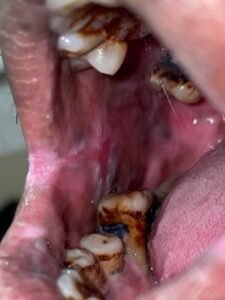
What Does a Head and Neck Oncologist Treat?
The field of head and neck oncology is incredibly complex, dealing with cancers of the mouth, throat, voice box (larynx), salivary glands, sinuses, and thyroid. A head and neck surgeon is a highly specialized expert who focuses exclusively on tumors in this delicate region.
Why Specialized Care Matters
The head and neck region is packed with vital nerves, blood vessels, and structures responsible for breathing, speaking, and eating. A general surgeon may not have the specific training required to navigate this anatomy safely while ensuring the cancer is completely removed.
A top head and neck oncologist uses advanced surgical approaches to minimize nerve damage and preserve as much normal function as possible. This includes:
- Thyroid and Parathyroid Surgeries: Removing tumors while preserving the recurrent laryngeal nerve (which controls the voice).
- Salivary Gland Tumors: Performing parotidectomies with meticulous facial nerve preservation so the patient retains facial movement.
- Laryngeal Cancers: Using laser surgeries or partial laryngectomies to save the patient's natural voice whenever possible.
Comprehensive Cancer Care in Kolkata
Dr. Manish Tiwari is recognized as a premier head and neck oncologist in Kolkata. His multidisciplinary approach ensures that patients receive not just surgical excellence, but comprehensive care plans involving radiation oncologists, medical oncologists, and speech therapists.
Understanding the Anatomy and Pathology
The oral cavity and the broader head and neck region consist of multiple sub-sites, each with its own unique biological behavior and lymphatic drainage patterns. The oral cavity includes the lips, the anterior two-thirds of the tongue, the buccal mucosa (inner lining of the cheeks), the floor of the mouth, the hard palate, and the upper and lower gums (alveolus). Tumors arising in different sub-sites present unique surgical challenges. For instance, a tumor on the lateral border of the tongue may spread quickly to the lymph nodes in the neck due to the tongue's rich lymphatic network. In contrast, a tumor on the hard palate might invade the maxillary sinus or nasal cavity, requiring a completely different surgical approach. Most oral cancers are squamous cell carcinomas, originating from the flat cells that line the mouth and throat. Understanding the histopathology of the tumor—its grade, depth of invasion, and perineural spread—is crucial for the surgical oncologist to plan the extent of resection and determine the necessity of postoperative radiation or chemotherapy.
Advanced Oncologic Surgery Techniques
Modern head and neck surgery has evolved to maximize tumor eradication while minimizing collateral damage to the patient. For tumors located in the deeper regions of the throat, such as the oropharynx or larynx, traditional open surgeries often required splitting the jaw or making large neck incisions. Today, selected cases can be treated using Transoral Robotic Surgery (TORS) or Transoral Laser Microsurgery (TLM). These minimally invasive techniques allow the surgeon to access and remove tumors through the mouth using high-definition 3D cameras and articulating robotic arms, leading to dramatically reduced recovery times, less scarring, and better preservation of swallowing and speech functions. However, for large, invasive tumors of the oral cavity and facial bones, open surgery remains the gold standard. In these complex cases, the surgical oncologist employs a 3D virtual surgical planning system, using computer models of the patient's anatomy to precisely map out the bone cuts and the reconstructive plan before the patient even enters the operating room.
Restoring Form and Function
The integration of microvascular reconstructive surgery with oncologic resection is what defines a world-class head and neck cancer center. The reconstructive process is tailored entirely to the specific defect created by the tumor removal. If a massive portion of the tongue is resected (total or subtotal glossectomy), an Anterolateral Thigh (ALT) flap or a Radial Forearm Free Flap (RAFF) is used to create a new, bulky neo-tongue, enabling the patient to swallow and articulate speech. When the upper jaw (maxilla) or lower jaw (mandible) is removed, vascularized bone flaps (like the fibula or scapula) are sculpted to perfectly match the patient's native facial contours, often guided by custom-made 3D-printed cutting guides and titanium plates. The success of these microvascular procedures approaches 95-98% in expert hands. The profound impact of reconstruction goes beyond physical restoration; it provides immense psychological support, allowing patients to confidently reintegrate into society and maintain a high quality of life after surviving cancer.
Long-Term Rehabilitation and Follow-Up
Surviving head and neck cancer is a monumental victory, but the journey continues well after the surgical incisions have healed. Comprehensive postoperative rehabilitation is vital for maximizing the functional outcomes of reconstructive surgery. Patients engage in rigorous swallowing exercises to prevent aspiration and speech therapy to improve articulation. Dietary modifications are gradually introduced as the patient transitions from tube feeding back to an oral diet. The psychological impact of facial surgery cannot be overstated, and access to counseling and support groups forms a critical component of holistic cancer care. Furthermore, rigorous surveillance is mandatory for the first five years post-treatment to monitor for any signs of recurrence. Regular clinical examinations and imaging scans provide peace of mind and ensure any issues are addressed immediately. If you or a loved one are facing a diagnosis of oral or head and neck cancer, choosing an expert who manages both the oncologic and reconstructive aspects of care is essential. Dr. Manish Tiwari represents the pinnacle of surgical expertise in Kolkata, offering hope, cutting-edge treatment, and comprehensive rehabilitation to his patients.