
What is Microvascular Reconstruction?
When treating advanced head and neck cancers, surgeons must often remove significant portions of tissue, bone, or muscle to ensure the entire tumor is eradicated. While this is necessary to cure the cancer, it can drastically impact a patient's appearance and ability to chew, swallow, or speak.
This is where a microvascular surgeon steps in. Microvascular reconstructive surgery is a highly complex procedure where tissue (skin, muscle, or bone) is taken from another part of the patient's body (like the leg or forearm) and transplanted to the head or neck. The surgeon uses a microscope to meticulously connect the tiny blood vessels of the transplanted tissue to the blood vessels in the neck, keeping the tissue alive.
Why is it Crucial for Oral Cancer Patients?
For patients undergoing surgery for oral cavity or jaw tumors, microvascular surgery is life-changing. It allows the surgeon to rebuild the jawbone (using a fibula flap) or reconstruct the tongue, restoring near-normal function and aesthetic appearance.
Expertise You Can Trust
Finding a top microvascular surgeon in Kolkata can be challenging, as the procedure requires immense precision and specialized training. Dr. Manish Tiwari is a dual-trained Head & Neck Oncosurgeon and Microvascular Reconstructive Surgeon, offering his patients comprehensive care from tumor removal to full functional restoration in a single surgery.
The Complex Structures of the Head and Neck
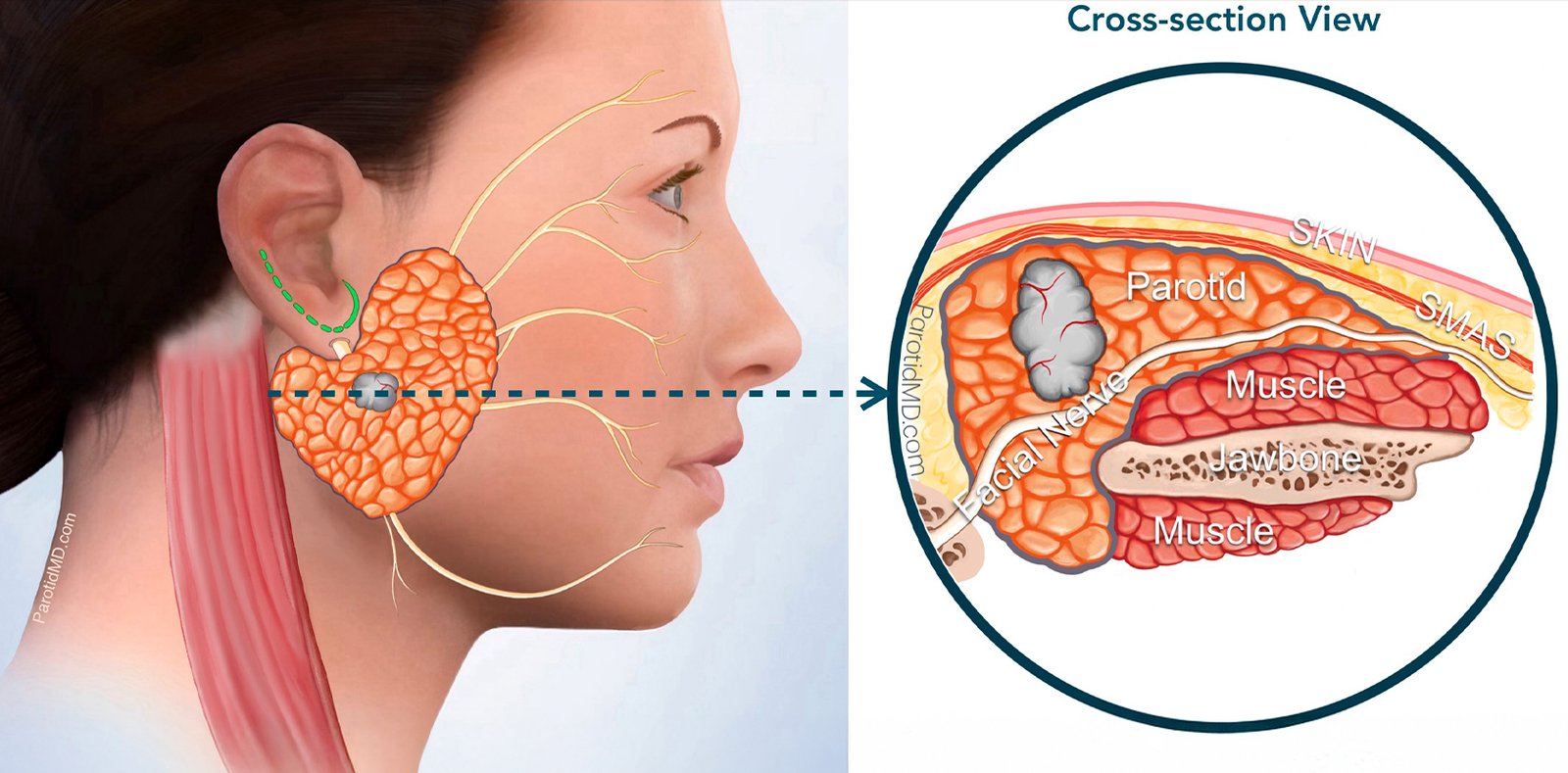
To fully appreciate the intricacies of head and neck surgery, one must understand the dense concentration of vital structures in this relatively small anatomical area. The neck houses major blood vessels, including the carotid arteries and jugular veins, which supply and drain the brain. It also contains critical nerves, such as the vagus nerve, the hypoglossal nerve (controlling tongue movement), and the facial nerve. When a tumor develops in the parotid gland, for example, it often wraps around the facial nerve, making its surgical removal an exercise in extreme precision to avoid facial paralysis. Furthermore, the lymphatic system in the neck, consisting of hundreds of lymph nodes divided into different levels, acts as the primary pathway for the metastatic spread of head and neck cancers. A comprehensive surgical plan almost always includes a neck dissection—the systematic removal of these lymph nodes—to stage the disease accurately and prevent regional recurrence.
Surgical Interventions and Treatment Strategies
The cornerstone of curative treatment for early and moderately advanced oral cancers is surgical resection. The primary objective is to achieve 'negative margins'—removing the tumor entirely along with a surrounding cuff of healthy tissue to ensure no microscopic cancer cells are left behind. Depending on the tumor's location, procedures can range from a simple wide local excision of a tongue lesion (partial glossectomy) to a massive composite resection that includes the removal of a portion of the jawbone (mandibulectomy or maxillectomy). Because oral cancers frequently metastasize to the lymph nodes in the neck, a 'neck dissection' is concurrently performed. This meticulous procedure involves carefully stripping the fat and lymph nodes from the vital nerves and blood vessels of the neck. For advanced cases, surgery is often just the first step in a multimodal treatment plan. Based on the final pathology report, the patient may require adjuvant (post-operative) radiation therapy or concurrent chemo-radiation to eradicate any lingering microscopic disease and significantly reduce the risk of recurrence.
Restoring Form and Function
The integration of microvascular reconstructive surgery with oncologic resection is what defines a world-class head and neck cancer center. The reconstructive process is tailored entirely to the specific defect created by the tumor removal. If a massive portion of the tongue is resected (total or subtotal glossectomy), an Anterolateral Thigh (ALT) flap or a Radial Forearm Free Flap (RAFF) is used to create a new, bulky neo-tongue, enabling the patient to swallow and articulate speech. When the upper jaw (maxilla) or lower jaw (mandible) is removed, vascularized bone flaps (like the fibula or scapula) are sculpted to perfectly match the patient's native facial contours, often guided by custom-made 3D-printed cutting guides and titanium plates. The success of these microvascular procedures approaches 95-98% in expert hands. The profound impact of reconstruction goes beyond physical restoration; it provides immense psychological support, allowing patients to confidently reintegrate into society and maintain a high quality of life after surviving cancer.
Long-Term Rehabilitation and Follow-Up
Surviving head and neck cancer is a monumental victory, but the journey continues well after the surgical incisions have healed. Comprehensive postoperative rehabilitation is vital for maximizing the functional outcomes of reconstructive surgery. Patients engage in rigorous swallowing exercises to prevent aspiration and speech therapy to improve articulation. Dietary modifications are gradually introduced as the patient transitions from tube feeding back to an oral diet. The psychological impact of facial surgery cannot be overstated, and access to counseling and support groups forms a critical component of holistic cancer care. Furthermore, rigorous surveillance is mandatory for the first five years post-treatment to monitor for any signs of recurrence. Regular clinical examinations and imaging scans provide peace of mind and ensure any issues are addressed immediately. If you or a loved one are facing a diagnosis of oral or head and neck cancer, choosing an expert who manages both the oncologic and reconstructive aspects of care is essential. Dr. Manish Tiwari represents the pinnacle of surgical expertise in Kolkata, offering hope, cutting-edge treatment, and comprehensive rehabilitation to his patients.