
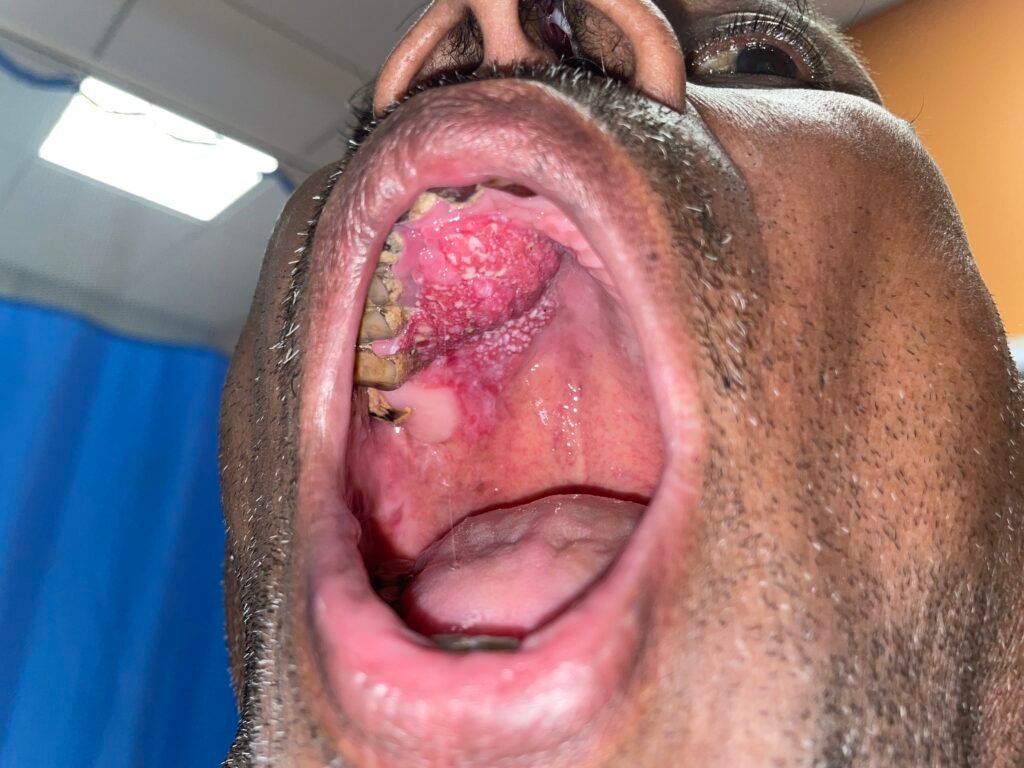
A diagnosis of oral or head and neck cancer is a life-altering event that brings forth a multitude of questions and concerns. The journey from diagnosis to recovery is paved with critical decisions, the most important being the selection of an experienced surgical oncologist. The head and neck region is arguably the most complex area of the human body, housing the vital apparatus for breathing, eating, speaking, and expressing emotion. Consequently, surgical intervention in this area requires an unparalleled level of precision and expertise. Today, the field of head and neck oncology has evolved far beyond mere tumor removal. It encompasses a holistic approach where oncologic safety is seamlessly integrated with functional rehabilitation and aesthetic preservation. Advanced imaging, multidisciplinary tumor boards, and state-of-the-art reconstructive techniques have transformed the prognosis for many patients. Understanding the nuances of the disease and the available treatment modalities empowers patients to take an active role in their healthcare journey, leading to better psychological and physical outcomes.
The Complex Structures of the Head and Neck
To fully appreciate the intricacies of head and neck surgery, one must understand the dense concentration of vital structures in this relatively small anatomical area. The neck houses major blood vessels, including the carotid arteries and jugular veins, which supply and drain the brain. It also contains critical nerves, such as the vagus nerve, the hypoglossal nerve (controlling tongue movement), and the facial nerve. When a tumor develops in the parotid gland, for example, it often wraps around the facial nerve, making its surgical removal an exercise in extreme precision to avoid facial paralysis. Furthermore, the lymphatic system in the neck, consisting of hundreds of lymph nodes divided into different levels, acts as the primary pathway for the metastatic spread of head and neck cancers. A comprehensive surgical plan almost always includes a neck dissection—the systematic removal of these lymph nodes—to stage the disease accurately and prevent regional recurrence.
Understanding the Etiology of the Disease
While tobacco and alcohol remain the most significant culprits in the development of head and neck malignancies, several other risk factors contribute to the disease burden. Poor oral hygiene and chronic dental trauma, such as ill-fitting dentures or sharp, jagged teeth that constantly rub against the tongue or cheek lining, can induce chronic inflammation. Over time, this constant cellular irritation can trigger mutations that lead to cancer. Nutritional deficiencies, particularly a lack of fresh fruits and vegetables rich in antioxidants, can weaken the body's natural defense mechanisms against cellular damage. Occupational exposures to certain dusts and chemicals, such as wood dust, nickel dust, and formaldehyde, are known risk factors for cancers of the paranasal sinuses and nasal cavity. Additionally, genetic predispositions and inherited syndromes, though rare, can increase an individual's susceptibility. Understanding these risk factors is not only crucial for prevention but also helps the surgical oncologist tailor the screening and diagnostic process for high-risk individuals.
Warning Signs and Diagnostic Modalities
Early detection remains the single most important factor in achieving a cure in head and neck oncology. Unfortunately, many patients ignore the initial warning signs, attributing them to benign conditions. Key symptoms that warrant immediate evaluation by a specialist include a persistent mouth ulcer that fails to heal within two to three weeks, unexplained bleeding in the mouth, difficulty or pain during swallowing (dysphagia), a change in voice or persistent hoarseness, and the sudden appearance of a painless lump in the neck. To accurately diagnose and stage the disease, a multifaceted approach is required. The gold standard for diagnosis is a biopsy, where a small tissue sample is extracted and examined under a microscope. Once malignancy is confirmed, advanced imaging techniques come into play. Contrast-enhanced CT scans or MRI scans provide detailed cross-sectional views of the tumor, delineating its exact size, depth of tissue invasion, and involvement of adjacent bones or blood vessels. A PET-CT scan may also be ordered to detect microscopic spread to regional lymph nodes or distant organs, ensuring that the treatment plan addresses the entirety of the disease.
Advanced Oncologic Surgery Techniques
Modern head and neck surgery has evolved to maximize tumor eradication while minimizing collateral damage to the patient. For tumors located in the deeper regions of the throat, such as the oropharynx or larynx, traditional open surgeries often required splitting the jaw or making large neck incisions. Today, selected cases can be treated using Transoral Robotic Surgery (TORS) or Transoral Laser Microsurgery (TLM). These minimally invasive techniques allow the surgeon to access and remove tumors through the mouth using high-definition 3D cameras and articulating robotic arms, leading to dramatically reduced recovery times, less scarring, and better preservation of swallowing and speech functions. However, for large, invasive tumors of the oral cavity and facial bones, open surgery remains the gold standard. In these complex cases, the surgical oncologist employs a 3D virtual surgical planning system, using computer models of the patient's anatomy to precisely map out the bone cuts and the reconstructive plan before the patient even enters the operating room.
Restoring Form and Function
The integration of microvascular reconstructive surgery with oncologic resection is what defines a world-class head and neck cancer center. The reconstructive process is tailored entirely to the specific defect created by the tumor removal. If a massive portion of the tongue is resected (total or subtotal glossectomy), an Anterolateral Thigh (ALT) flap or a Radial Forearm Free Flap (RAFF) is used to create a new, bulky neo-tongue, enabling the patient to swallow and articulate speech. When the upper jaw (maxilla) or lower jaw (mandible) is removed, vascularized bone flaps (like the fibula or scapula) are sculpted to perfectly match the patient's native facial contours, often guided by custom-made 3D-printed cutting guides and titanium plates. The success of these microvascular procedures approaches 95-98% in expert hands. The profound impact of reconstruction goes beyond physical restoration; it provides immense psychological support, allowing patients to confidently reintegrate into society and maintain a high quality of life after surviving cancer.
Postoperative Care and the Road to Normalcy
Recovery from major head and neck surgery, particularly when combined with microvascular reconstruction, is a gradual process that requires a dedicated, multidisciplinary team approach. Patients typically spend the first few days in the Intensive Care Unit (ICU) for close monitoring of the reconstructed flap and airway management. Nutritional support is paramount; since patients cannot eat by mouth initially, feeding is facilitated through a nasogastric or PEG tube. As healing progresses, intensive speech and swallow therapy commence. The brain and muscles must adapt to the newly reconstructed anatomy. Physical therapy is also crucial for the recovery of the donor site (where the tissue was harvested). Consistent follow-up and adherence to rehabilitation protocols determine the ultimate functional success of the surgery. Dr. Manish S. Tiwari and his dedicated oncology team in Kolkata are committed to providing unparalleled surgical excellence and compassionate postoperative care. By combining aggressive tumor resection with state-of-the-art microvascular reconstruction, they ensure that every patient is given the best possible chance at a cancer-free life with dignity and optimal functional restoration.