
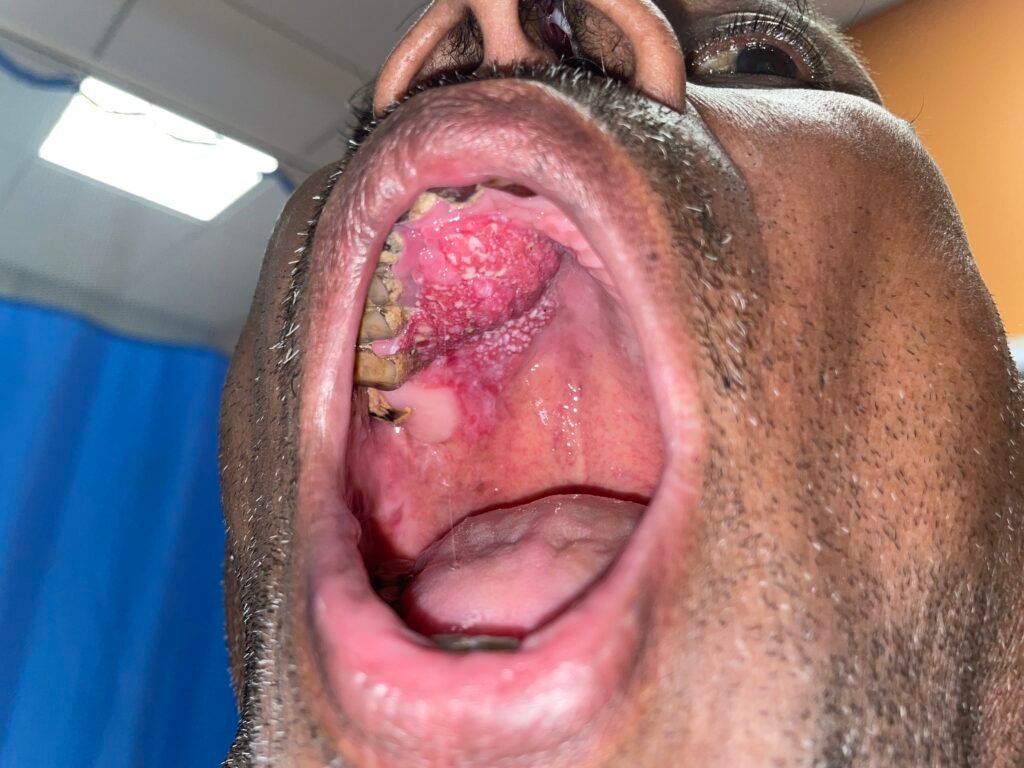
Navigating the complexities of head and neck tumors requires a deep understanding of both the disease process and the intricate anatomy of the affected regions. For many patients, the initial symptoms may seem innocuous—a persistent sore throat, a mouth ulcer that refuses to heal, or a subtle change in voice. However, early detection and prompt intervention by a dedicated head and neck specialist can dramatically alter the course of the disease. The philosophy of modern surgical oncology dictates that removing the cancer is only half the battle; restoring the patient's form and function is equally imperative. This dual objective has given rise to the specialized field of microvascular reconstructive surgery, which works hand-in-hand with tumor resection. As we delve into the specifics of treatment, it becomes evident that a multidisciplinary approach, combining the skills of surgeons, radiation oncologists, and medical oncologists, provides the most robust defense against these aggressive malignancies.
Understanding the Anatomy and Pathology
The oral cavity and the broader head and neck region consist of multiple sub-sites, each with its own unique biological behavior and lymphatic drainage patterns. The oral cavity includes the lips, the anterior two-thirds of the tongue, the buccal mucosa (inner lining of the cheeks), the floor of the mouth, the hard palate, and the upper and lower gums (alveolus). Tumors arising in different sub-sites present unique surgical challenges. For instance, a tumor on the lateral border of the tongue may spread quickly to the lymph nodes in the neck due to the tongue's rich lymphatic network. In contrast, a tumor on the hard palate might invade the maxillary sinus or nasal cavity, requiring a completely different surgical approach. Most oral cancers are squamous cell carcinomas, originating from the flat cells that line the mouth and throat. Understanding the histopathology of the tumor—its grade, depth of invasion, and perineural spread—is crucial for the surgical oncologist to plan the extent of resection and determine the necessity of postoperative radiation or chemotherapy.
Primary Risk Factors and Causes
The etiology of oral and head and neck cancers is heavily influenced by lifestyle and environmental factors. In India and Southeast Asia, the predominant cause of oral cancer is the pervasive use of smokeless tobacco, betel quid (paan), areca nut (supari), and gutkha. These substances contain potent carcinogens that continuously irritate the mucosal lining of the mouth, leading to premalignant lesions such as leukoplakia (white patches), erythroplakia (red patches), and oral submucous fibrosis (OSMF). OSMF is particularly insidious, causing severe restriction in mouth opening and a high rate of malignant transformation. Smoking cigarettes, bidis, and cigars exponentially increases the risk, especially when combined with heavy alcohol consumption. The synergistic effect of alcohol and tobacco is well-documented, multiplying the carcinogenic impact on the tissues of the throat and mouth. In recent years, there has also been a significant rise in head and neck cancers associated with the Human Papillomavirus (HPV), particularly affecting the oropharynx (tonsils and base of tongue). HPV-related cancers often present in younger, non-smoking individuals and generally have a better prognosis and response to treatment compared to tobacco-induced cancers.
The Path to an Accurate Diagnosis
Recognizing the early symptoms of head and neck cancer can mean the difference between a minor surgical procedure and a massive, life-altering operation. Patients should be vigilant about any unexplained numbness in the facial or oral regions, loosening of teeth without apparent dental disease, or a persistent earache that does not respond to standard treatments (which can often be referred pain from a tumor in the throat). The diagnostic journey typically begins with a thorough clinical examination, including a fiber-optic endoscopy to visualize the hidden areas of the throat and larynx. Following this, a targeted biopsy is performed. For neck masses, a Fine Needle Aspiration Cytology (FNAC) is a quick and relatively painless way to obtain cells for analysis. Radiographic evaluation is indispensable for surgical planning. High-resolution MRI is particularly useful for assessing soft tissue involvement and perineural spread (cancer tracking along nerves), while a CT scan is excellent for evaluating bone erosion, such as tumor invasion into the mandible (lower jaw) or maxilla (upper jaw).
Advanced Oncologic Surgery Techniques
Modern head and neck surgery has evolved to maximize tumor eradication while minimizing collateral damage to the patient. For tumors located in the deeper regions of the throat, such as the oropharynx or larynx, traditional open surgeries often required splitting the jaw or making large neck incisions. Today, selected cases can be treated using Transoral Robotic Surgery (TORS) or Transoral Laser Microsurgery (TLM). These minimally invasive techniques allow the surgeon to access and remove tumors through the mouth using high-definition 3D cameras and articulating robotic arms, leading to dramatically reduced recovery times, less scarring, and better preservation of swallowing and speech functions. However, for large, invasive tumors of the oral cavity and facial bones, open surgery remains the gold standard. In these complex cases, the surgical oncologist employs a 3D virtual surgical planning system, using computer models of the patient's anatomy to precisely map out the bone cuts and the reconstructive plan before the patient even enters the operating room.
The Miracle of Microvascular Reconstruction
Removing a large tumor from the head or neck inevitably creates a significant structural and functional deficit. Decades ago, patients were left with severe disfigurements and lifelong disabilities in eating and speaking. Today, the advent of microvascular free flap reconstructive surgery has revolutionized patient rehabilitation. This highly intricate procedure involves harvesting living tissue—skin, muscle, and bone—from a 'donor site' on the patient's own body, such as the forearm, thigh, or lower leg (fibula). The surgeon transplants this tissue to the head and neck to rebuild the missing structures. Using a high-powered operating microscope and sutures finer than a human hair, the surgeon meticulously connects the tiny arteries and veins of the transplanted tissue to the blood vessels in the neck. This restores blood flow and keeps the reconstructed tissue alive. For example, a fibula free flap can be used to completely rebuild a resected jawbone, allowing for the eventual placement of dental implants and a return to normal chewing function.
Long-Term Rehabilitation and Follow-Up
Surviving head and neck cancer is a monumental victory, but the journey continues well after the surgical incisions have healed. Comprehensive postoperative rehabilitation is vital for maximizing the functional outcomes of reconstructive surgery. Patients engage in rigorous swallowing exercises to prevent aspiration and speech therapy to improve articulation. Dietary modifications are gradually introduced as the patient transitions from tube feeding back to an oral diet. The psychological impact of facial surgery cannot be overstated, and access to counseling and support groups forms a critical component of holistic cancer care. Furthermore, rigorous surveillance is mandatory for the first five years post-treatment to monitor for any signs of recurrence. Regular clinical examinations and imaging scans provide peace of mind and ensure any issues are addressed immediately. If you or a loved one are facing a diagnosis of oral or head and neck cancer, choosing an expert who manages both the oncologic and reconstructive aspects of care is essential. Dr. Manish Tiwari represents the pinnacle of surgical expertise in Kolkata, offering hope, cutting-edge treatment, and comprehensive rehabilitation to his patients.